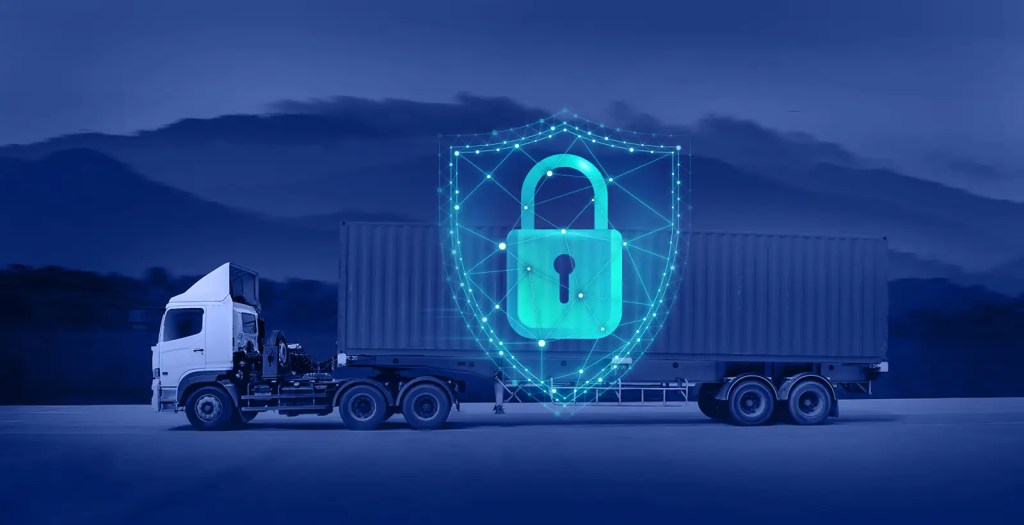
In today’s fast-paced, technology-driven logistics industry, cybersecurity is not optional—it’s essential. Digital operations are central to business efficiency. Sensitive data constantly flows across systems. Therefore, logistics companies are prime targets for cyber threats.
At Encyb, we understand these challenges. Vulnerabilities in your digital infrastructure can affect areas from fleet management software to shipment tracking platforms. These issues can lead to operational disruption, financial loss, and reputational damage.
Here are practical strategies to safeguard your logistics business.
1. Guard Against Web Scraping
A website is almost always the first interaction customers have with your business. It is also a prime target for competitors or bad actors using web scraping for sensitive data. Protect yourself with:
- CAPTCHA verification
- Rate limiting
- User-agent limitations
- Dynamic and rendered content.
These measures will protect your intellectual property and limit data collection by scrapers.
2. Conduct Penetration Testing
Penetration testing (or ethical hacking) simulates a real-world attack to help find weaknesses in your systems. Advantages of penetration testing include:
- Test defenses before vulnerabilities are exploited
- Diminished financial and operational risk
- Compliance with industry best practices and security standards
Security Service Integrations:
- SIEM (Security Information and Event Management): Continuous monitoring, log review, and threat intelligence.
- Automated Reports & Alerts: Faster detection and response time for suspicious activity.
- Incident Response Retainer: Quickly access dedicated professionals for incident response.
3. Secure Electric Vehicle (EV) Systems
Electric vehicles (EVs) are becoming more mainstream in logistics fleet operations. It’s crucial to protect the EV systems, including charging stations and onboard diagnostics. Recommended practices include:
- Software updates on a predetermined schedule
- Increase security around fleet management software
- Integrate intelligence around batteries
4. Follow Industry Guidelines
Adhere to established cybersecurity frameworks like NIST to help reduce exposure to threats. The following includes important measures to take:
- Strengthen communication with your stakeholders
- Set up procedures to manage risks
- Improve the management or response to incidents
Enhancement Tools:
- Observe Network Activity: To find abnormalities and malicious behaviour in real time.
- User and Entity Behavior Analytics (UEBA): Used to detect insider threats and suspicious behaviour patterns.
5. Mitigate Insider Threats
Employee threats, either intentional or unintentional, are often a major risk factor. Here are some related mitigation measures:
- Pre-employment screening and access control
- Network segmentation and monitoring
- Auditing and behavioral analytics
Core Security Measures for Logistics Operations
1. Identity and Access Management (IAM)
Make sure only authorized personnel can access systems and data, maintaining compliance and security.
2. Role-Based Access Control (RBAC)
Limit access based on roles. For example, warehouse staff can access inventory systems, while logistics managers have broader planning access.
3. Least Privilege Principle
Give only the least access needed for employees’ job functions to reduce insider threats.
4. Secure Physical Network Infrastructure
Protect servers, data centers, and network equipment with access controls, surveillance, and regular audits.
5. Multi-Factor Authentication (MFA)
Add layers of protection beyond passwords using biometrics, smart cards, or one-time codes to prevent unauthorized logins.
6. Employee Cybersecurity Training
Educate staff about phishing, password security, and safe data handling. Conduct simulations to reinforce secure behaviors.
7. Invest in Cybersecurity Solutions
Deploy SIEM platforms, endpoint protection, intrusion detection systems (IDS), and encryption to safeguard operations.
8. Regular Software Updates
Apply patches and upgrades to mitigate vulnerabilities and guarantee system reliability.
9. Data Backup and Recovery
Keep secure backups in cloud or offline storage to recover from ransomware attacks, hardware failures, or accidental deletion.
10. Collaborate with Cybersecurity Experts
Partner with specialists for tailored strategies, advanced tools, and ongoing monitoring to guarantee robust security.
11. Application Performance Monitoring (APM)
Observe logistics applications in real-time to detect outages, performance issues, or unusual behaviour, ensuring smooth operations
Conclusion
Protecting your logistics business from cyber threats is essential to safeguarding operations, data, and reputation. Logistics companies can build a strong cybersecurity posture by combining proactive strategies like penetration testing and network monitoring. Employing IAM and employee training with expert support further reduces risks in today’s digital landscape.
Frequently Asked Questions
1. Why is cybersecurity important for logistics businesses?
Logistics companies handle sensitive data and rely on digital systems, making them targets for cyberattacks. Strong cybersecurity prevents disruptions and data breaches.
2. How can penetration testing help logistics companies?
Penetration testing identifies vulnerabilities before attackers exploit them, helping companies strengthen defenses and preserve operational continuity.
3. What role does network activity monitoring play?
Continuous monitoring detects anomalies and potential threats in real-time, allowing rapid response and preventing damage to logistics operations.
4. How do identity and access management (IAM) and MFA improve security?
IAM ensures only authorized personnel access systems, while multi-factor authentication adds an extra layer of protection against unauthorized logins.
5. Should logistics businesses work with cybersecurity partners?
Yes. Partnering with experts provides tailored strategies, advanced tools, and continuous support to strengthen defenses and ensure compliance.